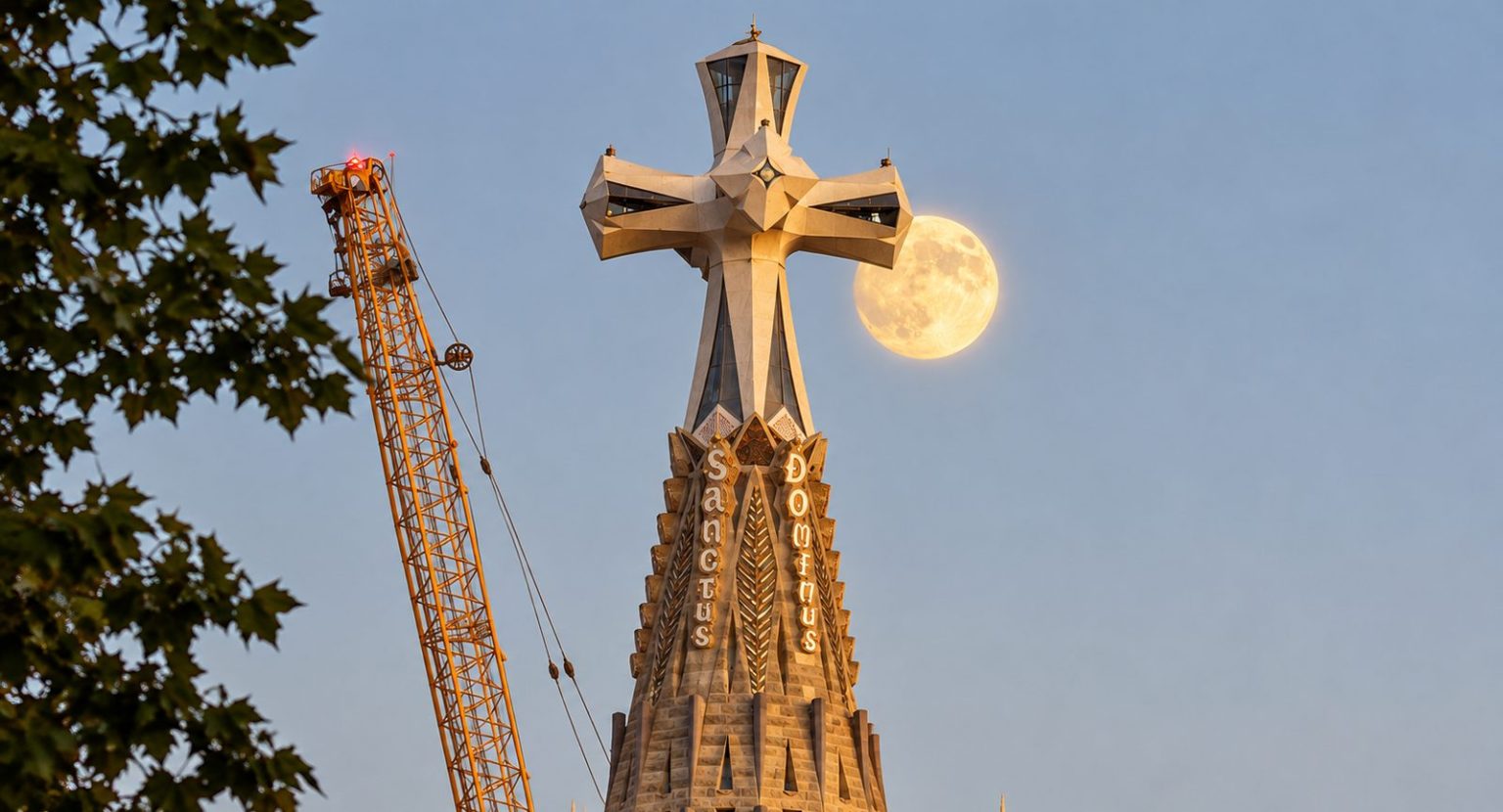
Barcelona’s famous landmarks are famous for a reason. The Sagrada Familia, Park Güell, the Gothic Quarter and Montjuïc are an important part of the city and its history.
But if you want to experience Barcelona like a local, there is more to discover beyond the main attractions.
Spend time in a neighborhood, visit a local market, look at the city’s architecture, try traditional food or learn about Catalan customs. These everyday experiences can show you a different side of Barcelona.
Here are some ideas for discovering it.
1. Start with a Neighborhood, Not a Monument
One of the easiest ways to experience Barcelona like a local is to spend a few hours in one neighborhood rather than trying to see another landmark.
And each neighborhood gives you something different.
El Born: Medieval Streets and Barcelona’s Past
Start around the narrow medieval streets of El Born and explore the area on foot. Look for small squares, old façades, independent shops and cafés tucked between the streets.
You can visit Santa Maria del Mar, stop at Santa Caterina Market or explore the archaeological remains at El Born Centre de Cultura i Memòria.
Part of the appeal is seeing how centuries-old streets, local businesses and everyday city life exist side by side.
Gràcia: Squares and Neighborhood Life
Gràcia offers a very different atmosphere.
Spend some time around Plaça del Sol or Plaça de la Vila de Gràcia, stop for tapas or a coffee, browse independent shops or simply sit on a terrace and watch the neighborhood.
Gràcia was once a separate town, and its streets still have a different scale from the grand avenues of central Barcelona.
Poblenou: From Industry to the Mediterranean
Poblenou shows another side of the city.
Its industrial past is still visible in former factories and warehouses, while creative spaces, independent businesses and the Rambla del Poblenou have become part of the neighborhood today.
Walk along the Rambla, stop for something to eat and continue towards Bogatell Beach for a very different Barcelona experience.
You do not need to visit every neighborhood. Choose one that interests you and give yourself time to experience it without rushing from one attraction to the next.
2. Visit a Market and See How Barcelona Shops for Food
If you want to understand Barcelona’s food culture, visiting a local market is a good place to start.
But the interesting part is not simply finding somewhere to eat. Markets are also places where people buy the ingredients they will take home: fruit and vegetables, fish, meat, bread, cheese and other everyday products.
La Boqueria is the city’s most famous market and a natural stop for first-time visitors. Located just off La Rambla, its stalls bring together fresh produce, seafood, meat, charcuterie, sweets and other products from Catalonia and beyond.
But if you want to see the role markets play in everyday neighborhood life, look beyond La Boqueria too.
Mercat del Ninot and Mercat de la Concepció, both in Eixample, offer a more local market experience, where you can browse fresh produce and other ingredients while seeing the neighborhood around them.
Look at what is being sold and what people are actually buying. You might see someone choosing vegetables for dinner, picking up fresh fish or doing their weekly shopping.
That is what makes Barcelona’s markets interesting: they are not simply attractions. They are part of how the city shops, cooks and eats.
3. Look at How Barcelona Is Designed
Barcelona’s architecture is one of the things that makes the city so distinctive. Gaudí’s Sagrada Familia, Casa Batlló and Casa Milà are essential landmarks, but you do not have to visit a famous building to appreciate Barcelona’s architecture.
Some of the city’s most interesting details are right in front of you.
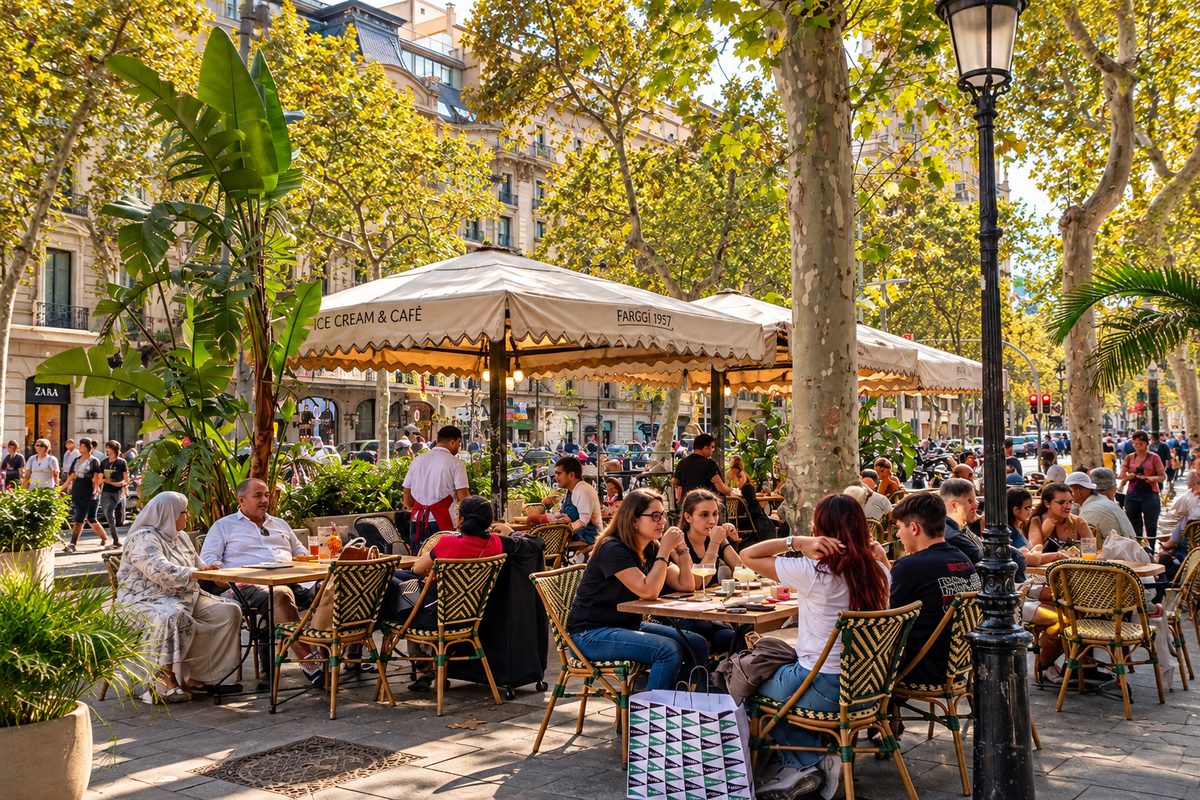
Walk through Eixample and look at the buildings around you. The wide streets and distinctive chamfered corners are part of the neighborhood’s original urban design. Look at the façades, balconies and entrance doors, where details such as wrought iron, ceramics, stained glass and floral motifs appear throughout the area.
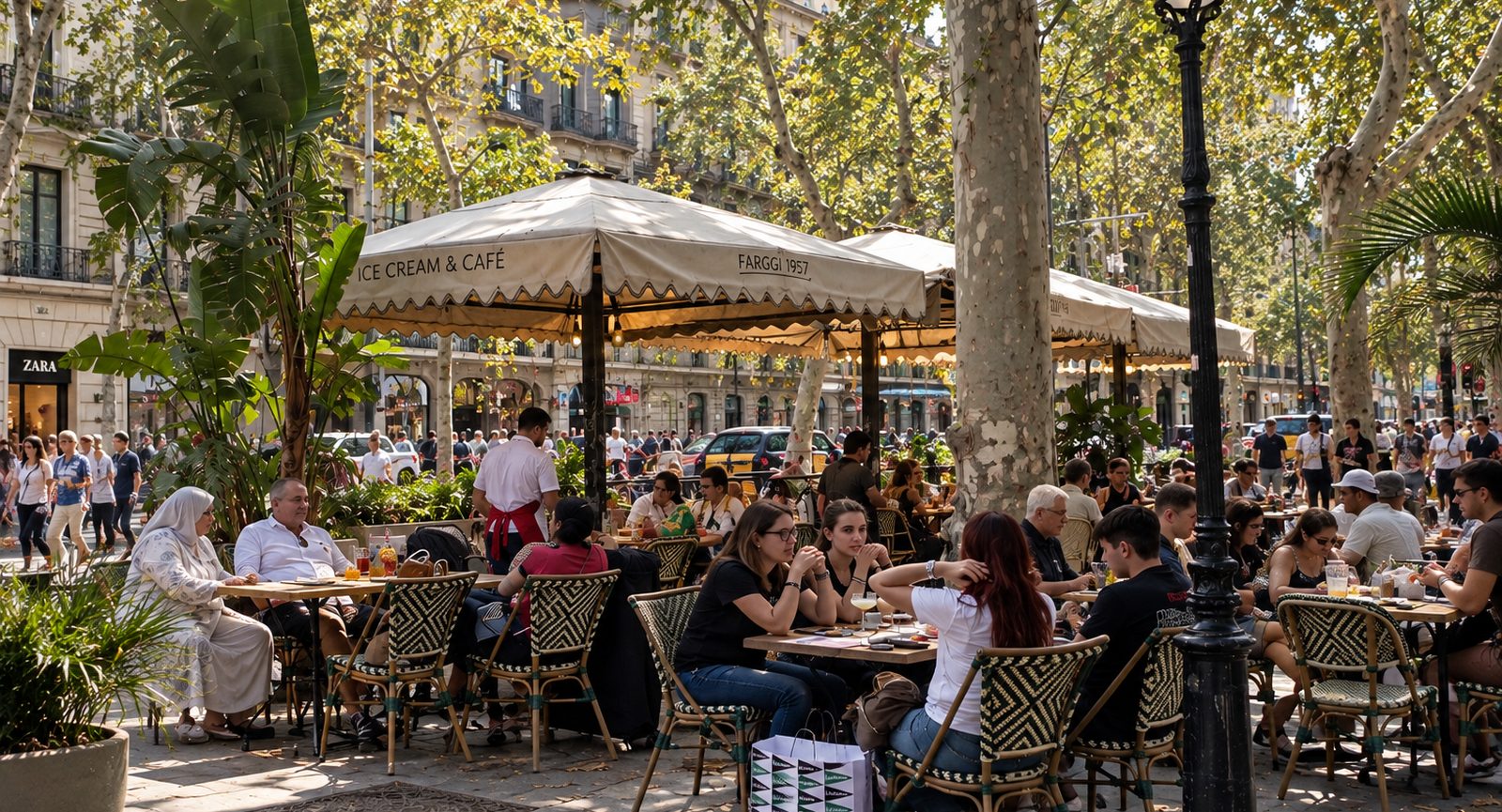
Passeig de Gràcia is another easy place to see the relationship between architecture and urban design. Along the avenue, look beyond the most famous Modernisme buildings and notice the details at street level too — from the paving and benches to the lamps, façades and balconies.
Next time you walk through Barcelona, try looking at the city itself as part of the experience.
4. Discover Catalan Traditions
Experiencing Barcelona like a local also means understanding some of the traditions that shape everyday life in Catalonia.
Some are easy to notice. Going for a vermut, meeting friends for a drink after work or spending a long Sunday lunch with family are all examples of the importance of food and social time in everyday life.
Others appear at particular times of the year. Sant Jordi, Sant Joan, Three Kings and Easter all have their own traditions and foods, while local celebrations can bring castells, gegants, traditional dances and correfocs into the streets.
Food is part of this calendar too, from coca de Sant Joan to tortell de Reis, mona de Pasqua and panellets.
If you want to understand these customs in more detail, we have a separate article where we look at Catalan traditions, food and celebrations throughout the year.
5. Discover the Barcelona Many First-Time Visitors Don’t Include
Once you have seen Barcelona’s main landmarks, there are still places that can show you a very different side of the city.
They are not necessarily hidden or unknown. They simply tend to fall outside a first-time itinerary.
Parc del Laberint d’Horta
It is one of Barcelona’s oldest surviving historic gardens, with its origins at the end of the eighteenth century.
The park combines neoclassical and romantic gardens, with sculptures, fountains, ponds and landscaped areas. Its most famous feature is the cypress-tree labyrinth.
Jardins de Mossèn Costa i Llobera
For another kind of landscape, head to the Jardins de Mossèn Costa i Llobera on Montjuïc.
The garden is known for its collection of cacti and other plants adapted to warm, dry climates. Its position on the slopes of Montjuïc also places it between the mountain and the Mediterranean.
It is a good reminder that Barcelona’s green spaces are not all about traditional parks and lawns.
Refugi 307
Barcelona’s history is not only visible above ground.
At Refugi 307, you can enter one of the air-raid shelters built during the Spanish Civil War to protect the city’s population from bombing.
The shelter has around 400 metres of tunnels and originally included spaces such as toilets, a fountain, an infirmary and a room for children. Walking through the tunnels offers a very different way of understanding Barcelona’s history and the experience of civilians during the war.
Cementiri de Poblenou
Another unusual way to discover Barcelona’s history is through Cementiri de Poblenou.
It was the first cemetery built outside Barcelona’s medieval walls. Its sculptures and funerary monuments reflect changing ideas about death, social status and art in Barcelona from the nineteenth century onwards.
These are the kinds of places that can change the way you see the city once you have already visited its best-known landmarks.
6. Build Your Barcelona Around What You Like
There is no single way to experience Barcelona.
Maybe architecture is what brought you here. Maybe you are more interested in food and markets, Catalan culture and traditions, the city’s history or simply spending time in different neighborhoods.
You can build your days around those interests instead of following a standard list of things to do in Barcelona.
And that is one of the best things about Barcelona: even after visiting the places everyone talks about, there is always another side of the city waiting to be discovered.
I hope you’ve enjoyed discovering this other side of Barcelona with us.
Bye Bye! See you in the next post!