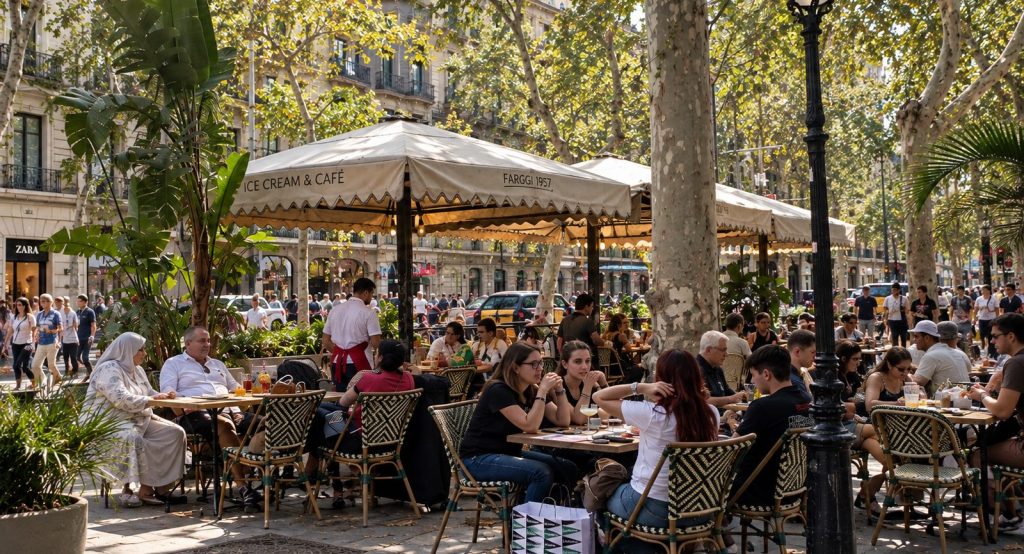
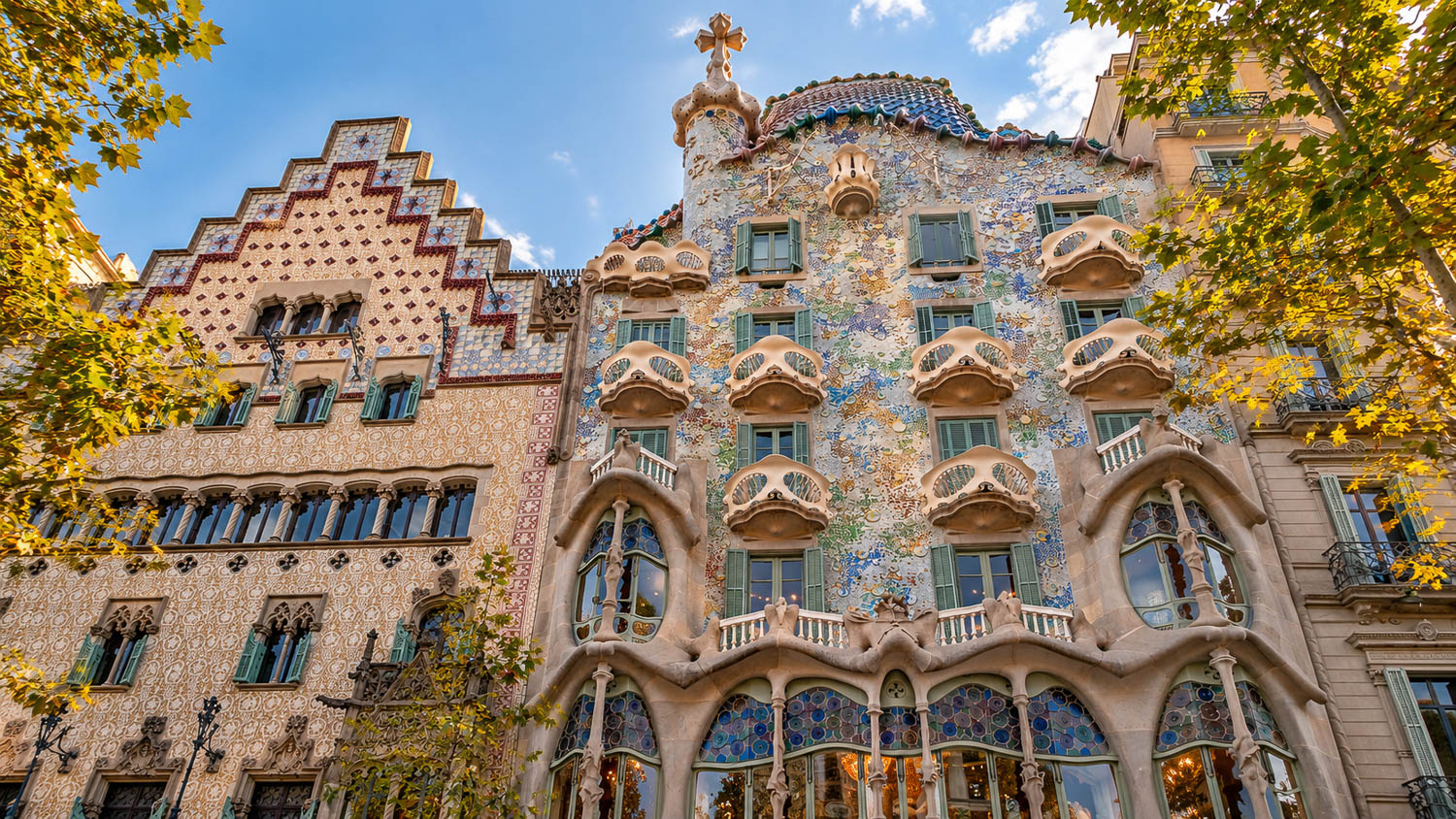
There is something about Barcelona that makes you look up.
It might be a colourful Modernist balcony, a beautifully tiled façade or an unexpected detail hidden above a doorway. In this city, architecture is part of everyday life, even when we barely notice it.
And in 2026, Barcelona has another reason to celebrate it: the city is officially the UNESCO-UIA World Capital of Architecture.
But what does that actually mean, and why should visitors care?
Why Is Barcelona the World Capital of Architecture in 2026?
The title is awarded by UNESCO in partnership with the International Union of Architects (UIA) to cities hosting the UIA World Congress of Architects.
Barcelona was officially designated in 2023 and hosted the congress from 28 June to 2 July 2026. Interestingly, it also hosted the event in 1996, making it the first city to welcome the congress twice.
The recognition puts architecture in the spotlight, not just as something beautiful to admire, but as something that shapes the way people live.
And Barcelona has plenty to say on that subject.
A Whole Year to Discover the City Differently
Barcelona’s World Capital of Architecture programme runs from February to December 2026, with more than 1,500 activities across the city’s ten districts.
Exhibitions, walking routes, workshops, open days and guided visits invite people to discover familiar places from a new perspective.
What makes this celebration particularly interesting is that it isn’t limited to famous monuments. It reaches into neighbourhoods and everyday spaces, reminding us that architecture belongs to the whole city.
Barcelona Is Much More Than Gaudí
Of course, Antoni Gaudí is impossible to ignore. His buildings have helped make Barcelona one of the world’s most recognisable architectural destinations.
And 2026 is especially meaningful because it marks the centenary of his death.
But Barcelona’s story doesn’t begin or end with Modernisme.
Walk through the Gothic Quarter and you’ll find centuries of history in its streets and squares. Explore the Eixample and you’ll see how urban planning shaped the city we know today. Head towards Poblenou and you’ll discover an area where Barcelona’s industrial past meets its more contemporary side.
These contrasts are part of what makes the city so fascinating.
The Best Architecture Isn’t Always on Your Itinerary
One of the nicest things about exploring Barcelona is that you don’t always need a famous landmark to find something memorable.
Sometimes it’s a quiet courtyard, a neighbourhood market or the way sunlight falls across an old building.
It’s the kind of detail you might walk past without noticing until someone points it out.
And perhaps that’s the real invitation behind Barcelona’s year as World Capital of Architecture: to slow down, look around and discover the stories hidden in plain sight.
Because Barcelona isn’t just a city to visit. It’s a city to observe.
I hope you’ve enjoyed discovering another side of Barcelona.
Bye Bye! See you in my next post!